

Every year, consumer electronics and tech companies bring an array of new products to market. Most come and go with little fanfare. Others can fast become staples of modern life. The latter often involves transformative innovations, sometimes decades in the making. With that in mind, here are six consumer technology innovations that will shape 2026.
1. AI‑Native Smartphones

If you’re like most people, you’re probably already tired of hearing about all the ways — both good and bad — that AI is going to change the world. However, there’s one way that will soon be unavoidable. This year, the first wave of AI‑native smartphones will begin entering the market. They’re not just phones with connections to cloud infrastructure. They feature onboard neural processors and local models, powering a range of new features.
AI‑native smartphones will have functions like:
- Near‑instant text and email summaries
- Real‑time offline audio and text translation
- Predictive task automation
- Personalised content generation
2. Continuous Health Monitoring Devices

For years now, wearable biomonitors have been staples for the fitness‑conscious. However, most had limited functionality, such as step counting, pulse, and basic physiological information. In 2026, they’re getting a whole lot more useful. New devices coming to market use a slew of new sensors and cloud processing to give you a more complete picture of your health. They can include photoplethysmography (PPG) to measure blood flow, heart rate, and stress levels. They may use bioimpedance sensors to estimate hydration and body composition. Some even include skin‑based and thermal sensors to track sleep and body temperature. While non‑invasive measurement of biomarkers like glucose, haemoglobin, A1c, or cholesterol remains experimental, AI‑powered analysis is bringing those capabilities closer than ever.
3. Autonomous Smart Home Tech
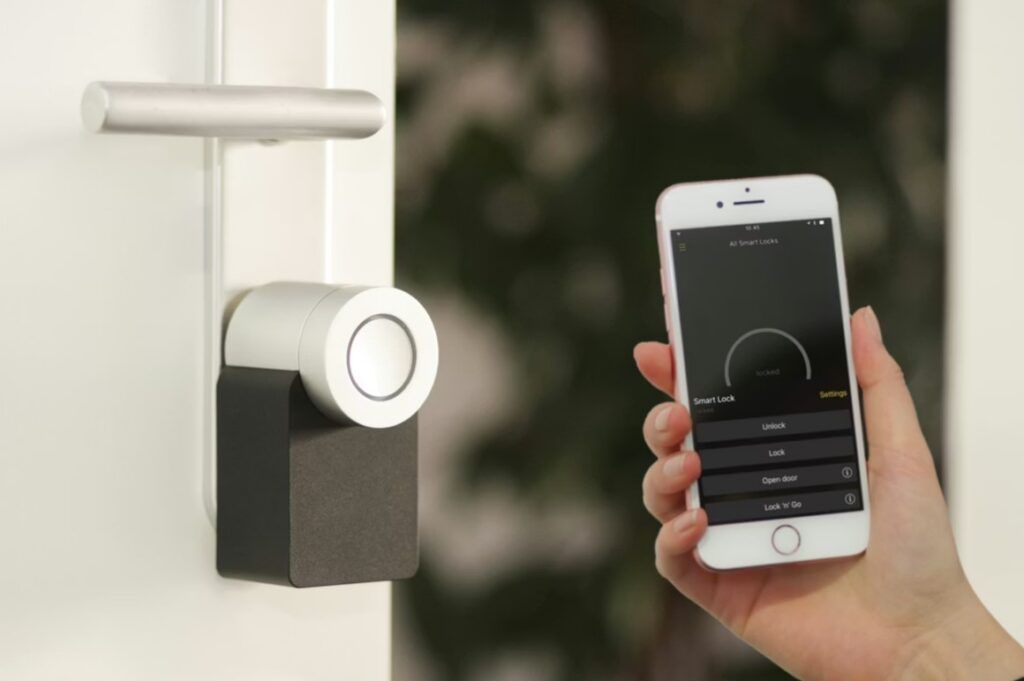
Smart home technology that can anticipate your needs in real time is finally here in 2026. Rather than relying on simple automation, agentic smart home technology uses behaviour modelling to predict your needs. That can let it take action inside your home before you even think to issue any commands.
Autonomous smart home behaviour monitoring can learn:
- Typical wake/sleep cycles
- Temperature preferences across the day
- Daily home departure and arrival times
- When and how you typically use appliances
So, if you’ve been dreaming of a smart home that can do things like make you coffee autonomously, start your dishwasher, and alter light settings without intervention, now you can have one.
4. AI‑Powered Conversational Search Agents

The Internet is an impossibly big space — so big that you couldn’t keep track of all the new information added daily about even a single topic, even if you needed to. That can make staying apprised of the latest information about your hobbies and interests a labour‑intensive process. Later in 2026, you won’t have to work so hard at it anymore. Search engines like Google are experimenting with conversational search agents that can scour the web for new information 24/7.
You’ll be able to tell Google, for instance, that you want to know every bit of new relevant information about your favourite football team. Then, each day, it could distil everything it finds into a helpful digest that keeps you informed. That way, you can make time to actually catch a match instead of spending all your time online reading about them. And your favourite companies, teams, and publications can tag their data to ensure visibility in the new age of AI search. It’ll be a win‑win for all involved.
5. Home Robotics That Actually Work
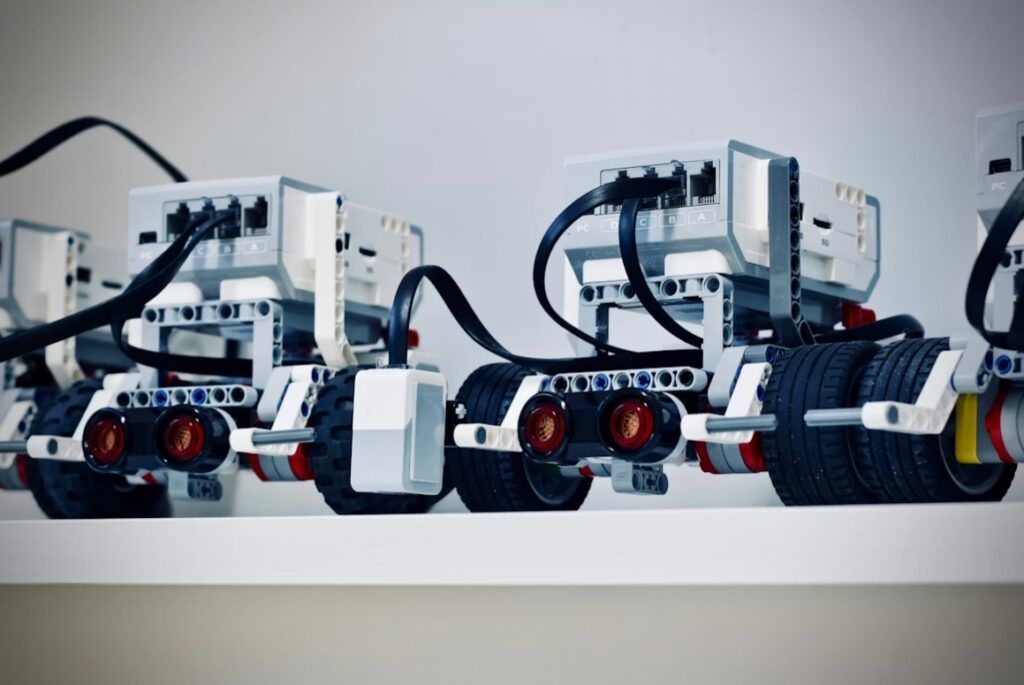
If you’re reading this while watching your old Roomba insistently drive itself into a wall repeatedly, this one’s for you. In 2026, a wide range of more capable home robotics options will hit the market. Better still, many offer interchangeable attachments that make them more than one‑trick ponies. A prime example is the Yarbo yard robot. While not new to the market, it’s finally reached a level of maturity that makes it a real game‑changer. Its modular design lets it handle multiple labour‑intensive property‑maintenance tasks. It can mow your lawn, of course. But it can also remove snow, clear leaves, and handle general yard upkeep.
Or, if you have elderly loved ones who don’t live nearby, consider gifting them an ElliQ. It’s a robotic home companion that helps people as they age in place. It can offer interactive memory and dexterity games, serve as a two‑way video chat platform, and provide medication reminders, among other features. And it features an informative app that lets you check in on your loved ones without being intrusive.
6. AR Glasses That Have Real‑World Use Cases

Tech giants like Meta, Lenovo, and TCL have all released AR glasses to mixed reviews in recent years. Finally, in 2026, some of them are beginning to deliver on the companies’ initial promises. For example, the Meta Ray‑Ban Smart Glasses can now handle hands‑free photo and video capture, offer AI‑powered assistance, and provide real‑time translation. They even use multimodal AI that can identify some of the objects you’re looking at and provide contextual information about them.
If you’re looking for something with fewer bells and whistles that excels at media display and productivity, consider the VITURE Luma XR glasses. They project the equivalent of a 146‑inch virtual screen in your field of vision. They also boast electrochromic dimming for bright environments, three degrees of freedom head tracking, and prescription‑free myopia correction.
The Bottom Line
All in all, 2026 is shaping up to be an interesting year for consumer technology. With every passing month, we’re edging closer to a future filled with robotic assistants, screens that follow you wherever you go, and homes that automatically adapt to your needs. We’re still a way off from a Star Trek‑like, ultra‑convenient, post‑capitalist utopia, but what we’re getting this year sure isn’t bad.








By Radoslav Jokic
Updated on 24th May 2026